An Orlando arborist who looks at the whole tree, not just the cut.
Some tree questions aren't about cutting: Is this oak safe to keep? Why is the canopy thinning? Are the roots a threat to the driveway? Arborist work starts with diagnosis. We evaluate the tree's structure, health, and risk, explain what we see in plain language, and recommend the least invasive fix that actually solves the problem.
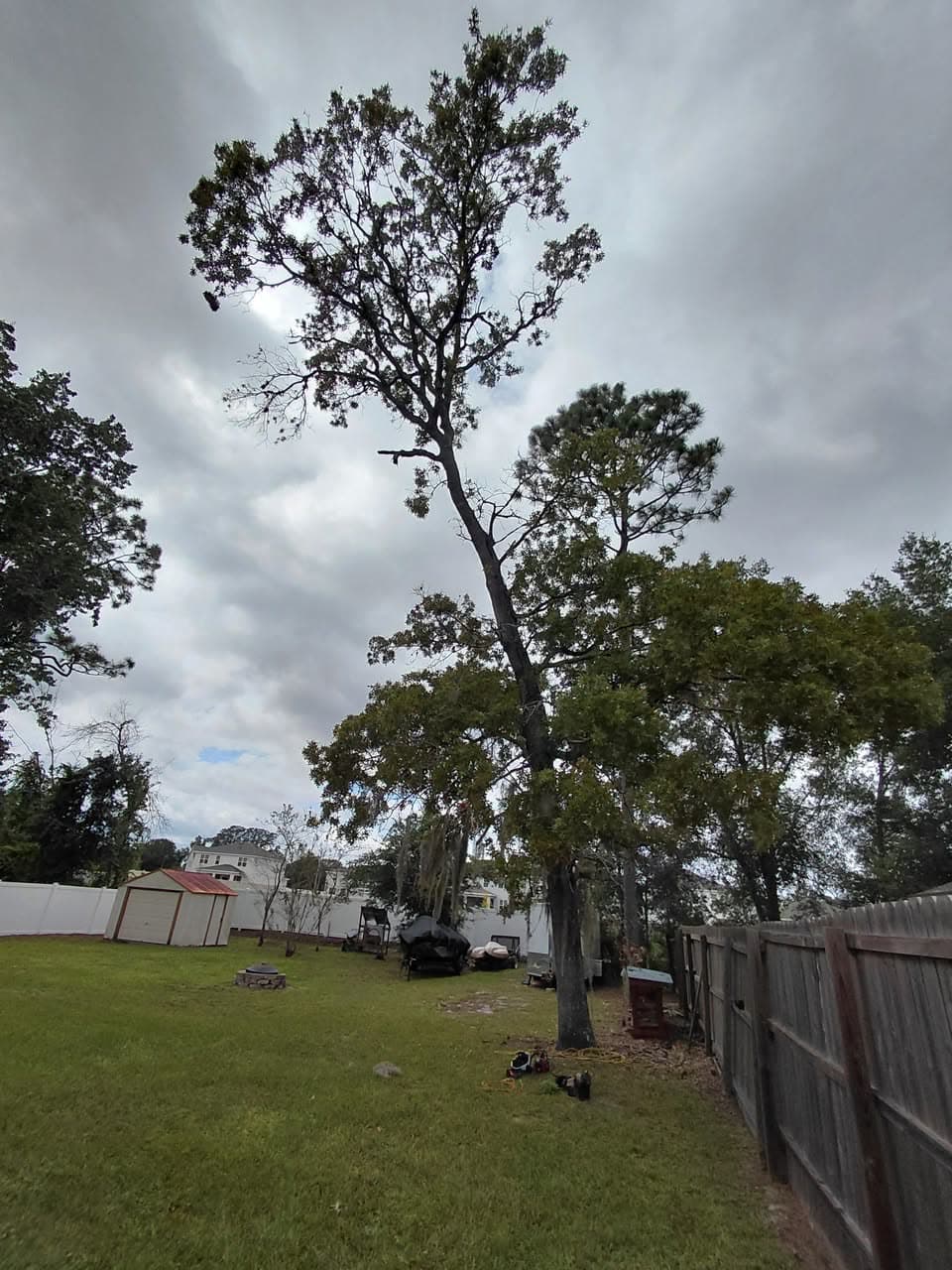 Our own work
Tree risk evaluations
Lean, cracks, decay, root damage, and what the tree would hit if it failed. You get a clear keep, prune, or remove recommendation.
Health diagnosis
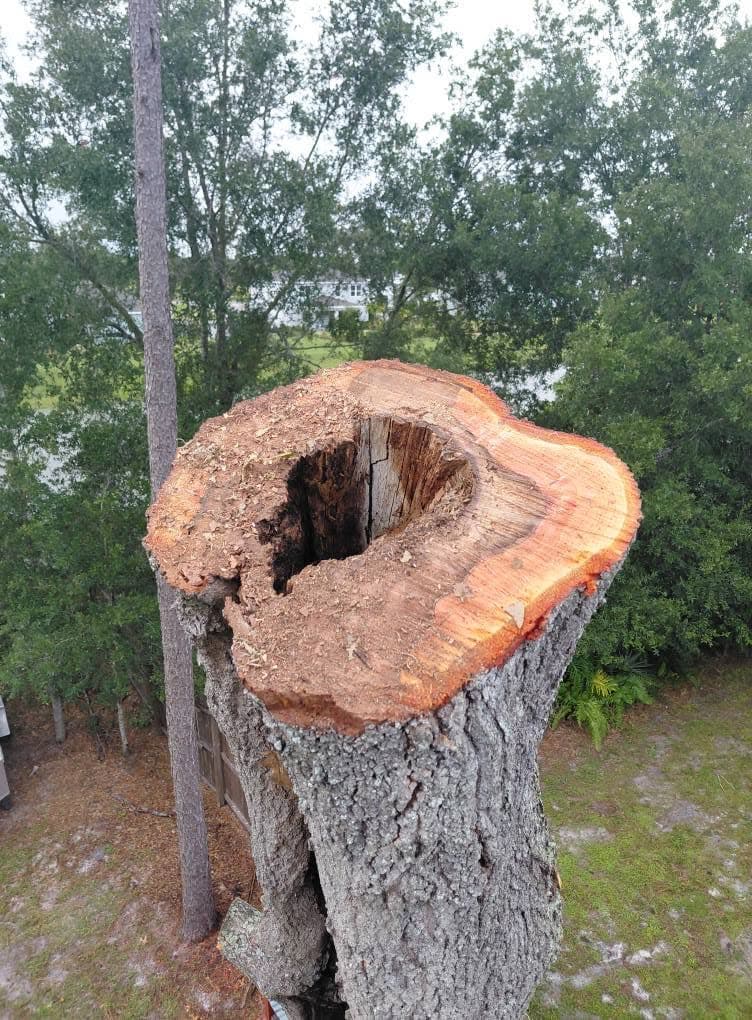
Thinning canopies, dieback, fungus at the base, and the decay common in aging Central Florida laurel and water oaks.
Pruning to industry standards
Cuts made to ANSI A300 pruning standards: no topping, no lion-tailing, no stubs that invite rot.
What customers say
“Abner provided exceptional service, he is also very knowledgeable when it comes to the health of trees. Saved me a potential disaster.”
“I have been using their service for about two years and I am extremely happy with their work. They are reliable, professional, and do wonderful work. I would recommend them to anyone.”
“Hard working, professional, great customer service, fair pricing for quality work. Highly recommend. All round great experience.”
How it works
On-site evaluation
We inspect the canopy, trunk, root zone, and surroundings, and note everything that matters.
Plain-language plan
What's wrong, how urgent it is, and your options with honest pricing for each.
Work done right
Pruning, cabling, or removal carried out to standard, with full cleanup.
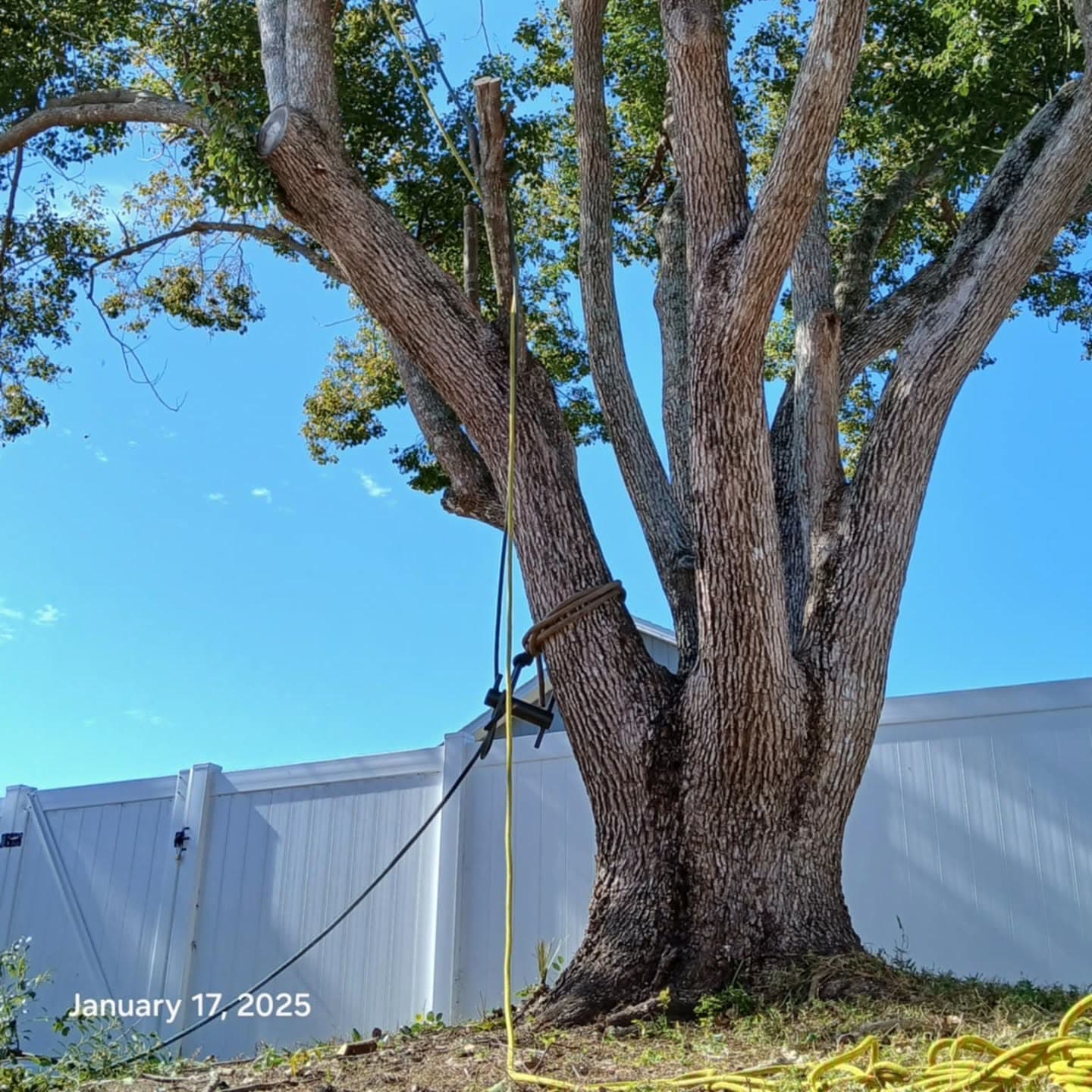
Recent arborist services work
Common questions
What does an arborist do?
An arborist specializes in individual trees: diagnosing health problems, evaluating the risk a tree poses, and pruning or removing trees the right way. A landscaper mows and plants; an arborist focuses on keeping trees healthy and safe.
Do I need an arborist report to remove a tree in Orlando?
Inside City of Orlando limits, a homeowner can skip the tree removal permit when a report from a TRAQ-qualified arborist or a Florida-licensed landscape architect confirms the tree is a danger. Commercial properties always need a permit, and rules differ in unincorporated Orange County and other cities, so confirm with your jurisdiction. We'll help you figure out what applies.
Which Orlando trees cause the most problems?
Laurel oaks and water oaks. They grow fast but are shorter-lived than live oaks and commonly develop internal decay as they age, which leads to dropped limbs and trunk failures in storms. Live oaks are far more durable when they're pruned well.
How often should my trees be inspected or pruned?
Mature shade trees generally benefit from an inspection and pruning every 3 to 5 years, and young trees every 1 to 3 years to build strong structure. Check sooner after any major storm.